Summer riding is glorious: long days, warm breezes, and endless trails. But as temperatures climb, so does the pressure inside your tires. That simple physics fact raises an important question: should you lower your tire pressure when riding in the summer?
{"height":8,"color":{"hue":213,"brightness":0.83,"saturation":1,"alpha":0},"hidden":false,"locked":false,"blockName":"Spacer"}
The short answer is yes, slightly – but not for the reasons you might think. Let’s break down the science, the risks, and the right way to adjust your ebike’s tire pressure for hot weather riding.
{"height":8,"color":{"hue":213,"brightness":0.83,"saturation":1,"alpha":0},"hidden":false,"locked":false,"blockName":"Spacer copy"}
Why Summer Changes Tire Pressure
{"height":8,"color":{"hue":213,"brightness":0.83,"saturation":1,"alpha":0},"hidden":false,"locked":false,"blockName":"Spacer copy copy"}
Air expands when heated. For every 10°F (5.5°C) increase in temperature, tire pressure rises by roughly 1–2 PSI. That doesn’t sound like much, but consider this:
{"height":8,"color":{"hue":213,"brightness":0.83,"saturation":1,"alpha":0},"hidden":false,"locked":false,"blockName":"Spacer copy copy copy"}
* You pump your tires to 30 PSI in a 70°F garage.
{"height":8,"color":{"hue":213,"brightness":0.83,"saturation":1,"alpha":0},"hidden":false,"locked":false,"blockName":"Spacer copy copy copy copy"}
* You ride out into 95°F summer pavement (which can be 120°F+ in direct sun).
{"height":8,"color":{"hue":213,"brightness":0.83,"saturation":1,"alpha":0},"hidden":false,"locked":false,"blockName":"Spacer copy copy copy copy copy"}
* Your tire pressure could climb to 35–38 PSI – well above the recommended maximum.
{"height":8,"color":{"hue":213,"brightness":0.83,"saturation":1,"alpha":0},"hidden":false,"locked":false,"blockName":"Spacer copy copy copy copy copy copy"}
Overinflated tires in summer create three problems:
{"height":8,"color":{"hue":213,"brightness":0.83,"saturation":1,"alpha":0},"hidden":false,"locked":false,"blockName":"Spacer copy copy copy copy copy copy copy"}
1. Reduced traction – The contact patch shrinks, especially on hot, soft asphalt.
{"height":8,"color":{"hue":213,"brightness":0.83,"saturation":1,"alpha":0},"hidden":false,"locked":false,"blockName":"Spacer copy copy copy copy copy copy copy copy"}
2. Harsher ride – Less rubber to absorb bumps, more vibration transmitted to you and the bike.
{"height":8,"color":{"hue":213,"brightness":0.83,"saturation":1,"alpha":0},"hidden":false,"locked":false,"blockName":"Spacer copy copy copy copy copy copy copy copy copy"}
3. Increased blowout risk – Extreme heat + high pressure + sustained riding can push a tire past its limit.
{"height":8,"color":{"hue":213,"brightness":0.83,"saturation":1,"alpha":0},"hidden":false,"locked":false,"blockName":"Spacer copy copy copy copy copy copy copy copy copy copy"}
The Real Risk: Not Just Blowouts, But Grip
{"height":8,"color":{"hue":213,"brightness":0.83,"saturation":1,"alpha":0},"hidden":false,"locked":false,"blockName":"Spacer copy copy copy copy copy copy copy copy copy copy copy"}
Blowouts are rare on quality ebike tires run at sensible pressures. The bigger summer danger is loss of grip.
{"height":8,"color":{"hue":213,"brightness":0.83,"saturation":1,"alpha":0},"hidden":false,"locked":false,"blockName":"Spacer copy copy copy copy copy copy copy copy copy copy copy copy"}
On a hot day, asphalt gets soft. An overinflated tire has a smaller, harder contact patch. That combination reduces cornering traction and increases stopping distances. For an ebike – heavier and faster than a standard bicycle – that’s a safety hazard.
{"height":8,"color":{"hue":213,"brightness":0.83,"saturation":1,"alpha":0},"hidden":false,"locked":false,"blockName":"Spacer copy copy copy copy copy copy copy copy copy copy copy copy copy"}
Lowering pressure slightly in summer:
{"height":8,"color":{"hue":213,"brightness":0.83,"saturation":1,"alpha":0},"hidden":false,"locked":false,"blockName":"Spacer copy copy copy copy copy copy copy copy copy copy copy copy copy copy"}
* Increases the contact patch – more rubber on the road.
{"height":8,"color":{"hue":213,"brightness":0.83,"saturation":1,"alpha":0},"hidden":false,"locked":false,"blockName":"Spacer copy copy copy copy copy copy copy copy copy copy copy copy copy copy copy"}
* Improves cornering grip – the tire can deform slightly to match the surface.
{"height":8,"color":{"hue":213,"brightness":0.83,"saturation":1,"alpha":0},"hidden":false,"locked":false,"blockName":"Spacer copy copy copy copy copy copy copy copy copy copy copy copy copy copy copy copy"}
* Provides a more comfortable ride – the tire absorbs more small bumps.
{"height":8,"color":{"hue":213,"brightness":0.83,"saturation":1,"alpha":0},"hidden":false,"locked":false,"blockName":"Spacer copy copy copy copy copy copy copy copy copy copy copy copy copy copy copy copy copy"}
How Much Should You Lower?
{"height":8,"color":{"hue":213,"brightness":0.83,"saturation":1,"alpha":0},"hidden":false,"locked":false,"blockName":"Spacer copy copy copy copy copy copy copy copy copy copy copy copy copy copy copy copy copy copy"}
Do not drastically drop pressure. The goal is a small adjustment – typically 2–5 PSI below your normal cold pressure.
{"height":8,"color":{"hue":213,"brightness":0.83,"saturation":1,"alpha":0},"hidden":false,"locked":false,"blockName":"Spacer copy copy copy copy copy copy copy copy copy copy copy copy copy copy copy copy copy copy copy"}
General Summer Pressure Guidelines
{"height":8,"color":{"hue":213,"brightness":0.83,"saturation":1,"alpha":0},"hidden":false,"locked":false,"blockName":"Spacer copy copy copy copy copy copy copy copy copy copy copy copy copy copy copy copy copy copy copy copy"}
| Tire Type |
Normal Cold Pressure |
Summer HotWeather Pressure |
| Road / Commuter (1.5–2.0”) |
50–80 PSI |
Reduce by 5 PSI (but never below 45 PSI) |
| Hybrid / Touring (2.0–2.4”) |
40–65 PSI |
Reduce by 3–5 PSI |
| Fat tire (3.8–4.0”) |
15–25 PSI |
Reduce by 2–3 PSI (can go as low as 12 PSI on soft surfaces) |
{"height":8,"color":{"hue":213,"brightness":0.83,"saturation":1,"alpha":0},"hidden":false,"locked":false,"blockName":"Spacer copy copy copy copy copy copy copy copy copy copy copy copy copy copy copy copy copy copy copy copy copy"}
The “Sunny Pavement” Rule
{"height":8,"color":{"hue":213,"brightness":0.83,"saturation":1,"alpha":0},"hidden":false,"locked":false,"blockName":"Spacer copy copy copy copy copy copy copy copy copy copy copy copy copy copy copy copy copy copy copy copy copy copy"}
If you normally run 20 PSI in your fat tires, try 17–18 PSI on a very hot day. If you normally run 60 PSI on commuter tires, try 55 PSI.
{"height":8,"color":{"hue":213,"brightness":0.83,"saturation":1,"alpha":0},"hidden":false,"locked":false,"blockName":"Spacer copy copy copy copy copy copy copy copy copy copy copy copy copy copy copy copy copy copy copy copy copy copy copy"}
Crucially: Always check pressure when tires are cold (before riding, or after the bike has been in the shade for an hour). Pressure measured after riding in the sun will read artificially high.
{"height":8,"color":{"hue":213,"brightness":0.83,"saturation":1,"alpha":0},"hidden":false,"locked":false,"blockName":"Spacer copy copy copy copy copy copy copy copy copy copy copy copy copy copy copy copy copy copy copy copy copy copy copy copy copy"}
{"height":8,"color":{"hue":213,"brightness":0.83,"saturation":1,"alpha":0},"hidden":false,"locked":false,"blockName":"Spacer copy copy copy copy copy copy copy copy copy copy copy copy copy copy copy copy copy copy copy copy copy copy copy copy"}
When NOT to Lower Pressure
{"height":8,"color":{"hue":213,"brightness":0.83,"saturation":1,"alpha":0},"hidden":false,"locked":false,"blockName":"Spacer copy copy copy copy copy copy copy copy copy copy copy copy copy copy copy copy copy copy copy copy copy copy copy copy copy"}
Lowering pressure is not always the right move.
{"height":8,"color":{"hue":213,"brightness":0.83,"saturation":1,"alpha":0},"hidden":false,"locked":false,"blockName":"Spacer copy copy copy copy copy copy copy copy copy copy copy copy copy copy copy copy copy copy copy copy copy copy copy copy copy copy"}
* High‑speed descents: Very low pressure increases rolling resistance and can make the tire feel squirmy in fast corners.
{"height":8,"color":{"hue":213,"brightness":0.83,"saturation":1,"alpha":0},"hidden":false,"locked":false,"blockName":"Spacer copy copy copy copy copy copy copy copy copy copy copy copy copy copy copy copy copy copy copy copy copy copy copy copy copy copy copy"}
* Heavy cargo loads: Too little pressure risks pinch flats and rim damage. Stick closer to your normal range.
{"height":8,"color":{"hue":213,"brightness":0.83,"saturation":1,"alpha":0},"hidden":false,"locked":false,"blockName":"Spacer copy copy copy copy copy copy copy copy copy copy copy copy copy copy copy copy copy copy copy copy copy copy copy copy copy copy copy copy"}
* Sharp, rocky trails: Low pressure makes the tire more vulnerable to sidewall cuts. For rocky terrain, keep pressure moderate.
{"height":8,"color":{"hue":213,"brightness":0.83,"saturation":1,"alpha":0},"hidden":false,"locked":false,"blockName":"Spacer copy copy copy copy copy copy copy copy copy copy copy copy copy copy copy copy copy copy copy copy copy copy copy copy copy copy copy copy copy"}
* If you’re already at minimum: Some tires have a minimum safe pressure (printed on sidewall). Never go below that.
{"height":8,"color":{"hue":213,"brightness":0.83,"saturation":1,"alpha":0},"hidden":false,"locked":false,"blockName":"Spacer copy copy copy copy copy copy copy copy copy copy copy copy copy copy copy copy copy copy copy copy copy copy copy copy copy copy copy copy copy copy"}
A Better Strategy: Adjust for Surface, Not Just Temperature
{"height":8,"color":{"hue":213,"brightness":0.83,"saturation":1,"alpha":0},"hidden":false,"locked":false,"blockName":"Spacer copy copy copy copy copy copy copy copy copy copy copy copy copy copy copy copy copy copy copy copy copy copy copy copy copy copy copy copy copy copy copy"}
Instead of thinking “summer = lower pressure,” think “softer surface = lower pressure.”
{"height":8,"color":{"hue":213,"brightness":0.83,"saturation":1,"alpha":0},"hidden":false,"locked":false,"blockName":"Spacer copy copy copy copy copy copy copy copy copy copy copy copy copy copy copy copy copy copy copy copy copy copy copy copy copy copy copy copy copy copy copy copy"}
Hot asphalt is softer than cold asphalt. Loose summer gravel is softer than packed dirt. Sand and dry grass are very soft.
{"height":8,"color":{"hue":213,"brightness":0.83,"saturation":1,"alpha":0},"hidden":false,"locked":false,"blockName":"Spacer copy copy copy copy copy copy copy copy copy copy copy copy copy copy copy copy copy copy copy copy copy copy copy copy copy copy copy copy copy copy copy copy copy"}
Match your pressure to the terrain:
{"height":8,"color":{"hue":213,"brightness":0.83,"saturation":1,"alpha":0},"hidden":false,"locked":false,"blockName":"Spacer copy copy copy copy copy copy copy copy copy copy copy copy copy copy copy copy copy copy copy copy copy copy copy copy copy copy copy copy copy copy copy copy copy copy"}
| Terrain |
Pressure (fat tires) |
Pressure (commuter tires) |
| Hot smooth pavement |
18–20 PSI |
55–60 PSI |
| Cool / wet pavement |
20–22 PSI |
60–65 PSI |
| Gravel / hardpack dirt |
12–15 PSI |
40–50 PSI |
| Sand / deep loose |
5–10 PSI |
Not recommended |
{"height":8,"color":{"hue":213,"brightness":0.83,"saturation":1,"alpha":0},"hidden":false,"locked":false,"blockName":"Spacer copy copy copy copy copy copy copy copy copy copy copy copy copy copy copy copy copy copy copy copy copy copy copy copy copy copy copy copy copy copy copy copy copy copy copy"}
So in summer, if you’re riding the same paved paths as always, a small 2–3 PSI drop is enough. If you’re heading to a sandy beach or loose gravel trail, drop much more – but that’s about the surface, not the season.
{"height":8,"color":{"hue":213,"brightness":0.83,"saturation":1,"alpha":0},"hidden":false,"locked":false,"blockName":"Spacer copy copy copy copy copy copy copy copy copy copy copy copy copy copy copy copy copy copy copy copy copy copy copy copy copy copy copy copy copy copy copy copy copy copy copy copy"}
{"height":8,"color":{"hue":213,"brightness":0.83,"saturation":1,"alpha":0},"hidden":false,"locked":false,"blockName":"Spacer copy copy copy copy copy copy copy copy copy copy copy copy copy copy copy copy copy copy copy copy copy copy copy copy copy copy copy copy copy copy copy copy copy copy copy copy copy"}
What About E-Bike Specifics?
{"height":8,"color":{"hue":213,"brightness":0.83,"saturation":1,"alpha":0},"hidden":false,"locked":false,"blockName":"Spacer copy copy copy copy copy copy copy copy copy copy copy copy copy copy copy copy copy copy copy copy copy copy copy copy copy copy copy copy copy copy copy copy copy copy copy copy copy"}
Ebikes are heavier, and their tires work harder. That means:
{"height":8,"color":{"hue":213,"brightness":0.83,"saturation":1,"alpha":0},"hidden":false,"locked":false,"blockName":"Spacer copy copy copy copy copy copy copy copy copy copy copy copy copy copy copy copy copy copy copy copy copy copy copy copy copy copy copy copy copy copy copy copy copy copy copy copy copy copy"}
* Don’t go too low – A heavy e‑bike on under‑inflated tires can pinch flat or damage rims on potholes.
{"height":8,"color":{"hue":213,"brightness":0.83,"saturation":1,"alpha":0},"hidden":false,"locked":false,"blockName":"Spacer copy copy copy copy copy copy copy copy copy copy copy copy copy copy copy copy copy copy copy copy copy copy copy copy copy copy copy copy copy copy copy copy copy copy copy copy copy copy copy"}
* Check pressure more often – Heat cycles and weight accelerate pressure loss.
{"height":8,"color":{"hue":213,"brightness":0.83,"saturation":1,"alpha":0},"hidden":false,"locked":false,"blockName":"Spacer copy copy copy copy copy copy copy copy copy copy copy copy copy copy copy copy copy copy copy copy copy copy copy copy copy copy copy copy copy copy copy copy copy copy copy copy copy copy copy copy"}
* Use a quality gauge – Digital gauges are more accurate than stick gauges.
{"height":8,"color":{"hue":213,"brightness":0.83,"saturation":1,"alpha":0},"hidden":false,"locked":false,"blockName":"Spacer copy copy copy copy copy copy copy copy copy copy copy copy copy copy copy copy copy copy copy copy copy copy copy copy copy copy copy copy copy copy copy copy copy copy copy copy copy copy copy copy copy"}
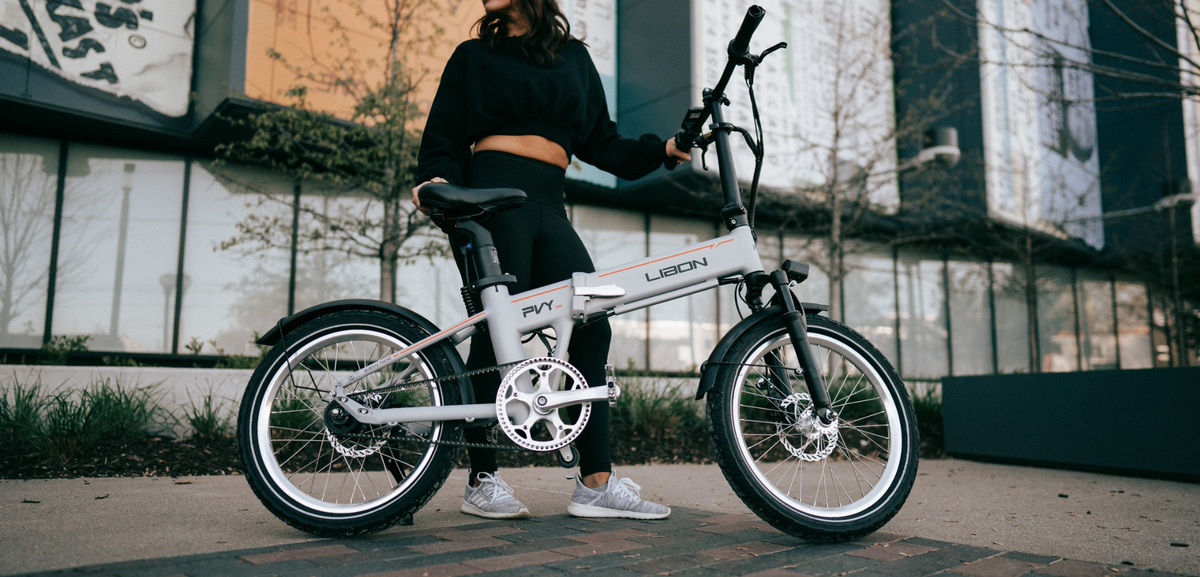
If you ride a PVY ebike (like the Z20 PLUS or A20), the fat tires are forgiving. A drop of 2–3 PSI in summer heat improves comfort and grip without compromising safety.
{"height":8,"color":{"hue":213,"brightness":0.83,"saturation":1,"alpha":0},"hidden":false,"locked":false,"blockName":"Spacer copy copy copy copy copy copy copy copy copy copy copy copy copy copy copy copy copy copy copy copy copy copy copy copy copy copy copy copy copy copy copy copy copy copy copy copy copy copy copy copy copy copy"}
The Bottom Line
{"height":8,"color":{"hue":213,"brightness":0.83,"saturation":1,"alpha":0},"hidden":false,"locked":false,"blockName":"Spacer copy copy copy copy copy copy copy copy copy copy copy copy copy copy copy copy copy copy copy copy copy copy copy copy copy copy copy copy copy copy copy copy copy copy copy copy copy copy copy copy copy copy copy"}
Yes, you should consider lowering your tire pressure slightly when riding in hot summer conditions – by about 2–5 PSI from your normal cold setting. This improves grip, comfort, and safety without increasing pinch flat risk.
{"height":8,"color":{"hue":213,"brightness":0.83,"saturation":1,"alpha":0},"hidden":false,"locked":false,"blockName":"Spacer copy copy copy copy copy copy copy copy copy copy copy copy copy copy copy copy copy copy copy copy copy copy copy copy copy copy copy copy copy copy copy copy copy copy copy copy copy copy copy copy copy copy copy copy"}
But don’t obsess over a perfect number. Check pressure regularly, adjust for the terrain you’ll actually ride, and use common sense. On a blistering day, a slightly softer tire is a happier tire – and a happier ride.